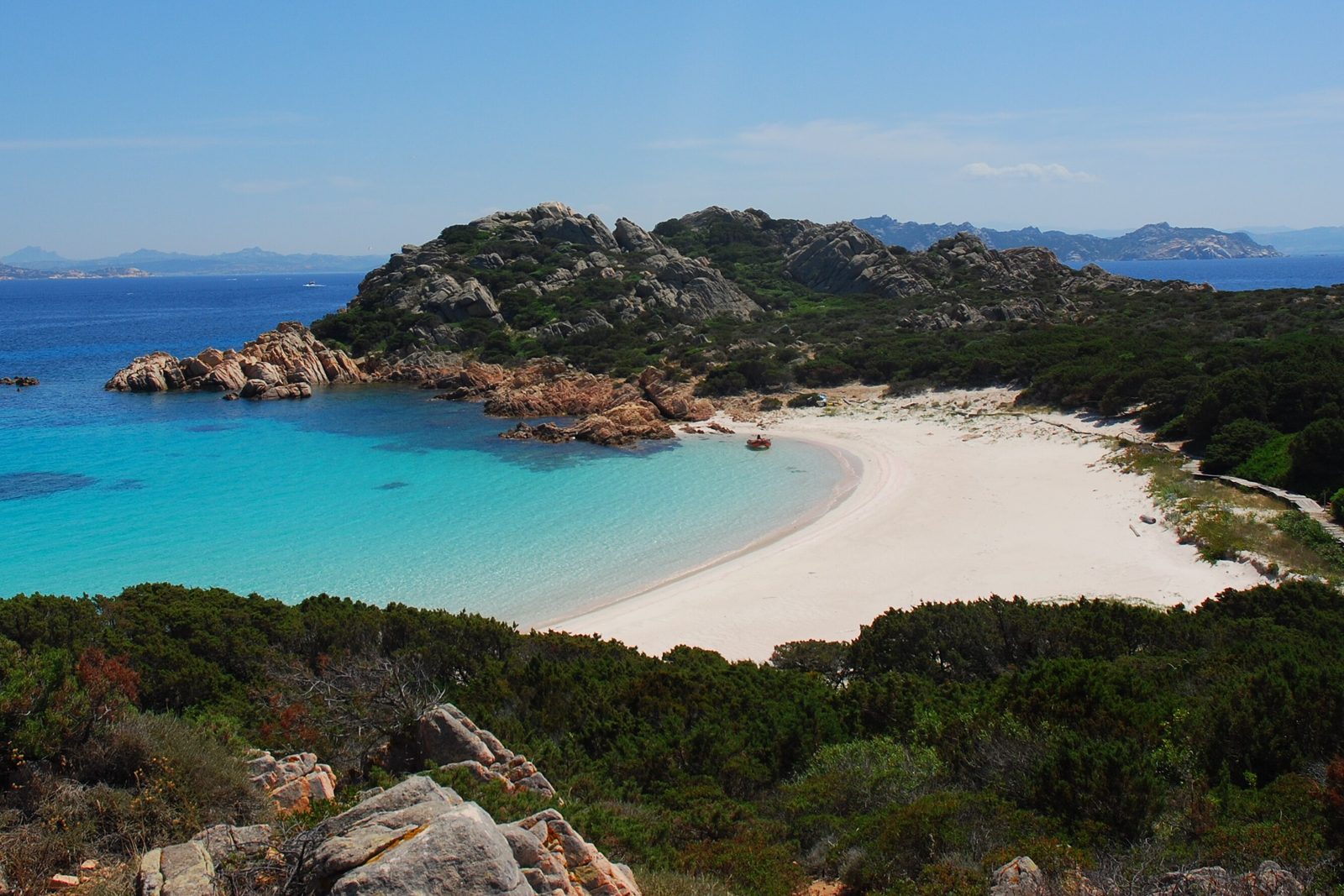
Cala Goloritzè
Baunei, Sardinia (east coast)
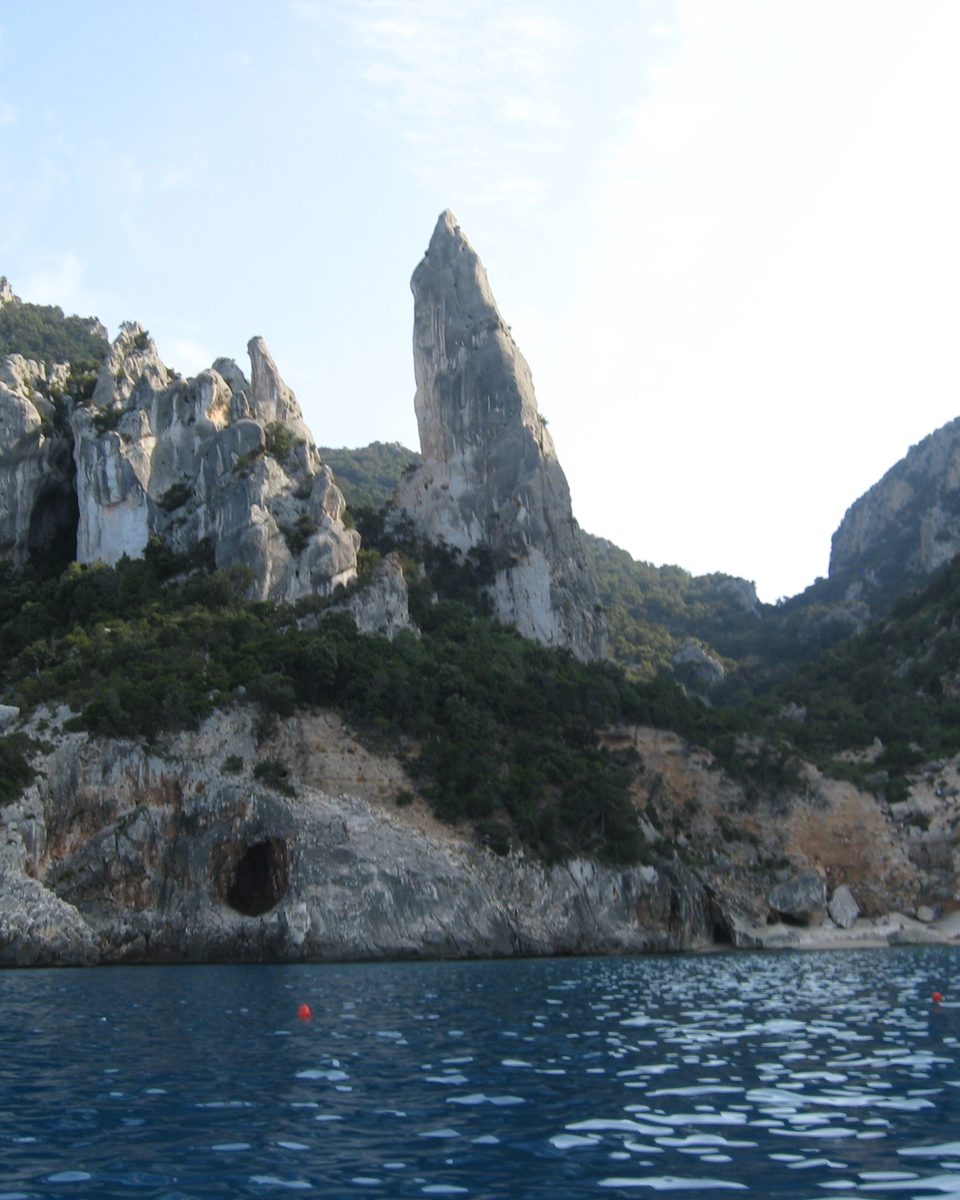

This small pebble cove on the Gulf of Orosei is famous for its clear turquoise water, a rock arch at the water’s edge and a limestone spire about 148 meters (485 feet) tall that climbers come from all over Europe to scale. It is a protected natural monument, and part of what keeps it beautiful is that it is hard to get to.
Visiting tip: Access is by booking only (about €7 per person on the official Heart of Sardinia site or app, opening three days ahead), with a cap of 250 people at a time. The only way in is a 3.6 km trail from Su Porteddu on the Golgo plateau with about 500 m (1,650 ft) of elevation: roughly 1.5 hours down and 2 hours back up. Boats can’t land, so wear real hiking shoes and carry at least 2 liters of water.
La Pelosa Beach
Stintino, Sardinia (northwest tip)
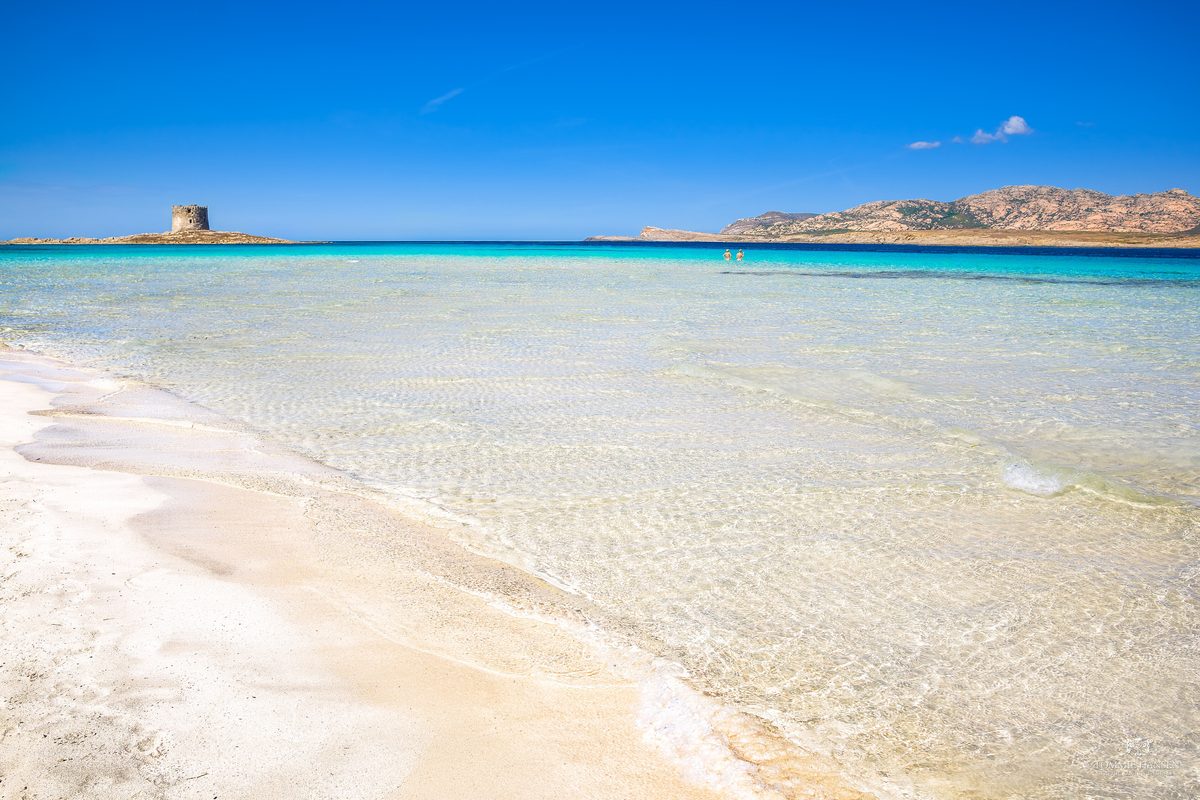

Shallow water so clear and pale it looks almost Caribbean, with a 16th-century Spanish-era watchtower, the Torre della Pelosa, standing on a rocky islet just offshore and the island of Asinara on the horizon. It is one of the most photographed beaches in Italy.
Visiting tip: From May 15 to October 15 you must book a spot online (official site spiaggialapelosa.it, €3.50 per person, 1,500 people a day, kids under 12 free). Towels can’t go directly on the sand, so bring a beach mat to put under yours. Parking is not included.
Spiaggia Rosa (Pink Beach)
Budelli, La Maddalena Archipelago, Sardinia
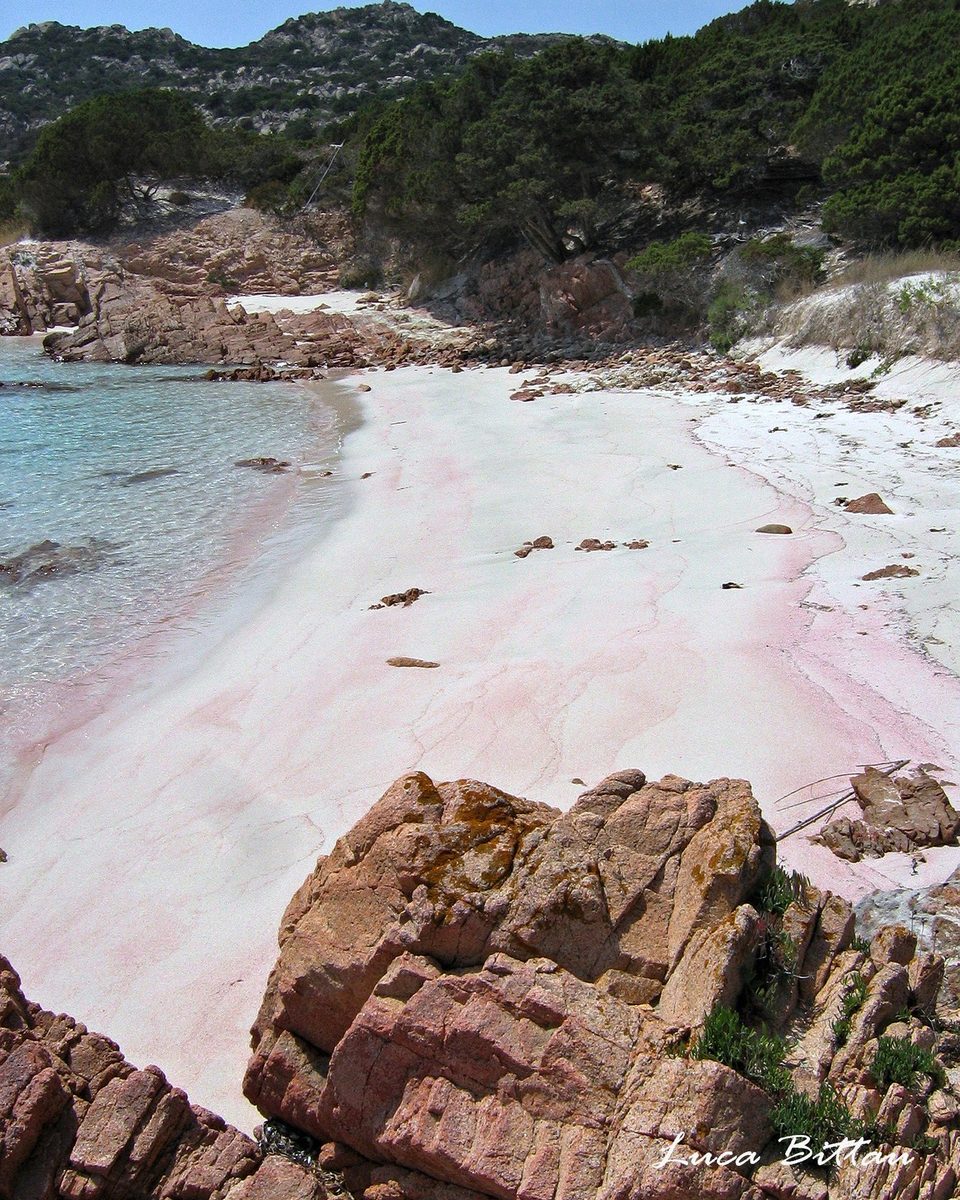

The sand here gets its pink color from tiny shell fragments of a marine microorganism (Miniacina miniacea) that lives on the seagrass meadows just offshore. After decades of anchoring boats and visitors taking sand home, the beach was fully protected in the 1990s, and the color has come back.
Visiting tip: You can look but not land: walking on the beach, swimming and anchoring are banned. Boat tours of the La Maddalena National Park islands slow down at the buoy line about 70 meters out so you can see it, and park guides lead walks to viewpoints nearby. Book a boat tour from La Maddalena or Palau.
Neptune’s Grotto
Capo Caccia, Alghero, Sardinia
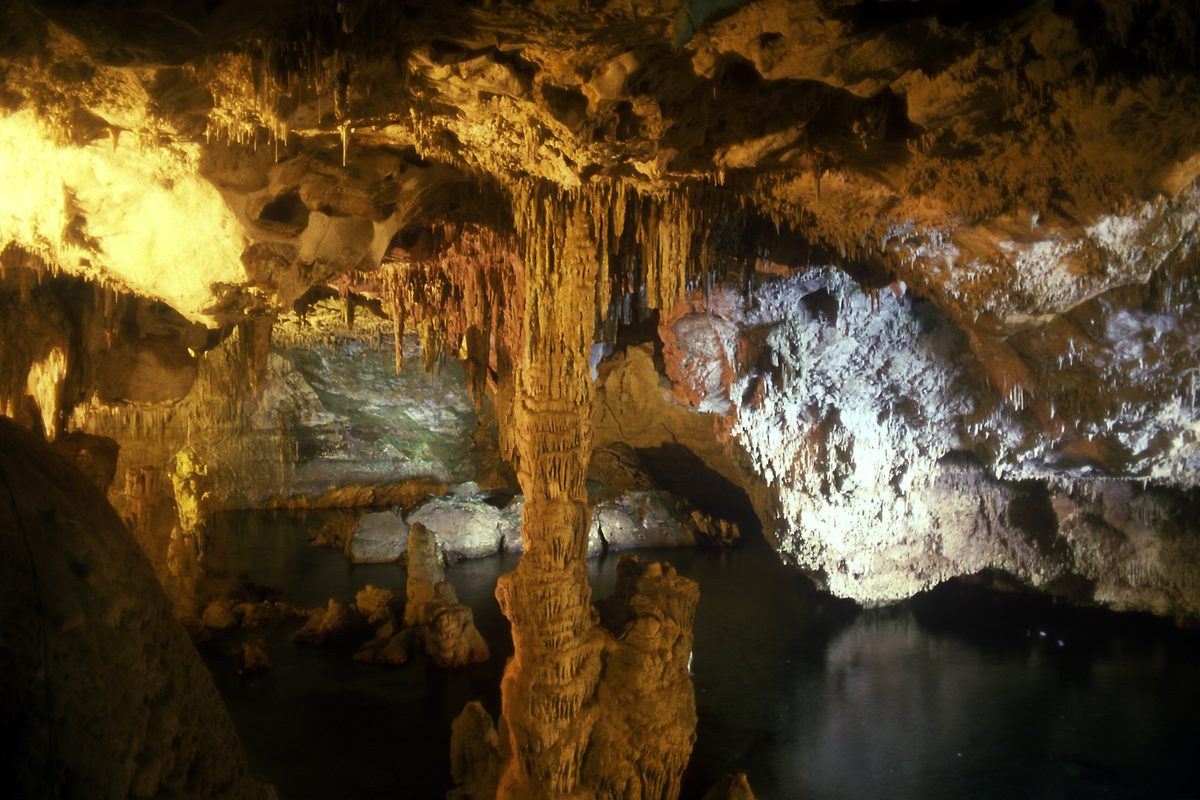

A sea cave at the base of the Capo Caccia cliffs, about 25 km from Alghero, full of stalactites, stalagmites and a salt-water lake inside the cave. Guided tours run on the hour and last about 30 minutes.
Visiting tip: Go by land down the Escala del Cabirol, 654 steps cut into the cliff (free reservation required, arrive 40 minutes early, and remember you have to climb back up), or by boat from Alghero harbor from about April to November. The boat ticket doesn’t include cave entry, so buy that first. Rough seas can close the cave on short notice.
Bosa
Oristano Province, Sardinia (west coast)
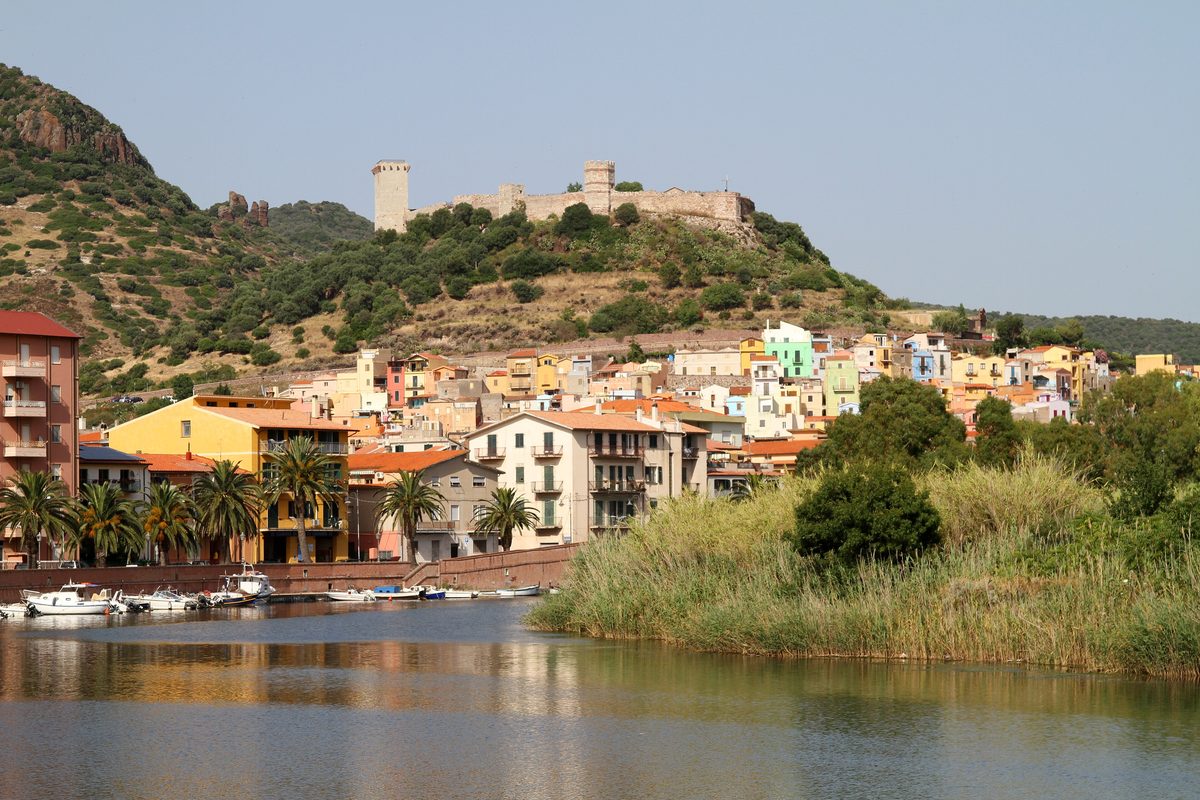

One of the prettiest towns on the island: rows of pastel houses climb the hill from the Temo river, often called the only navigable river in Sardinia, up to the Castello di Serravalle (Malaspina castle), traditionally dated to 1112.
Visiting tip: Walk the riverfront and the old Sa Costa quarter, then climb to the castle for the view over the rooftops. Bosa Marina beach is a few minutes away, and the coast road north toward Alghero is one of the most scenic drives in Sardinia.
Su Nuraxi di Barumini
Barumini, South Sardinia
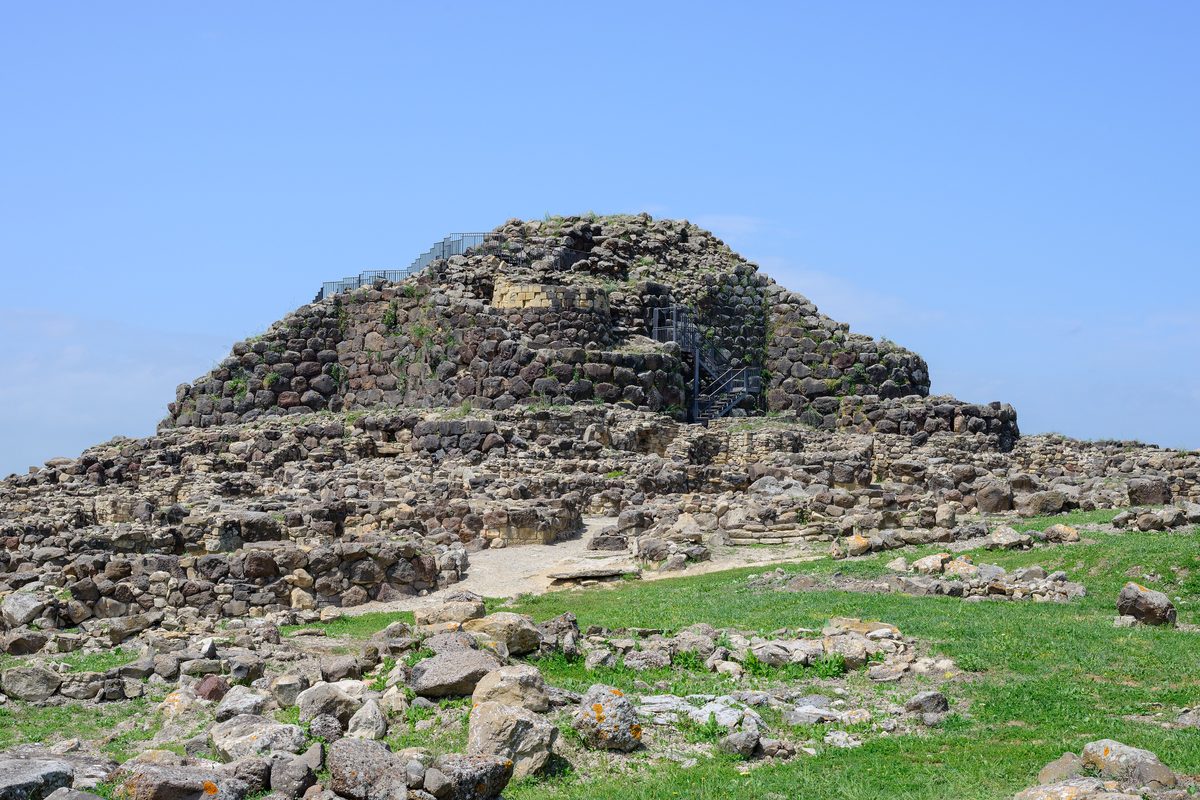

Sardinia is dotted with nuraghi, Bronze Age stone towers found nowhere else in the world. Su Nuraxi, first built around the 14th century BC and later surrounded by more towers and a village, is the finest example, and a UNESCO World Heritage Site since 1997.
Visiting tip: You can only visit with a guide. Tours leave about every 30 minutes, last around an hour and run year-round, with one ticket that also covers the Casa Zapata museum in town. Barumini is about an hour’s drive north of Cagliari, and there’s little shade, so go early in summer.
Castello Quarter
Cagliari, Sardinia (south coast)
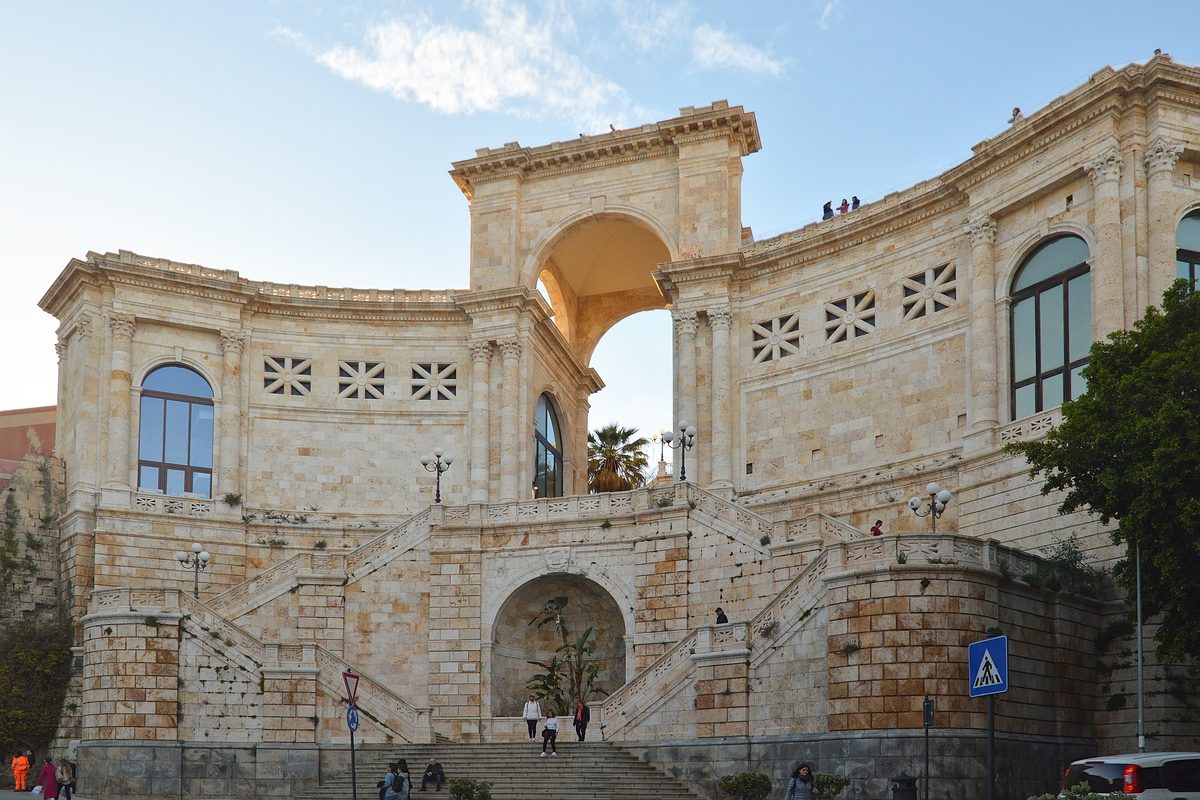

The old walled hilltop quarter of Sardinia’s capital, with narrow lanes, the cathedral, medieval towers like the Torre di San Pancrazio (finished in 1305) and the Bastione di Saint Remy, whose terrace looks out over the city, the port and the sea.
Visiting tip: Climb up from Piazza Costituzione through the Bastione di Saint Remy to the free Terrazza Umberto I, ideally around sunset. Comfortable shoes help, as the quarter is steep and paved with stone.
Cala Coticcio
Caprera, La Maddalena Archipelago, Sardinia
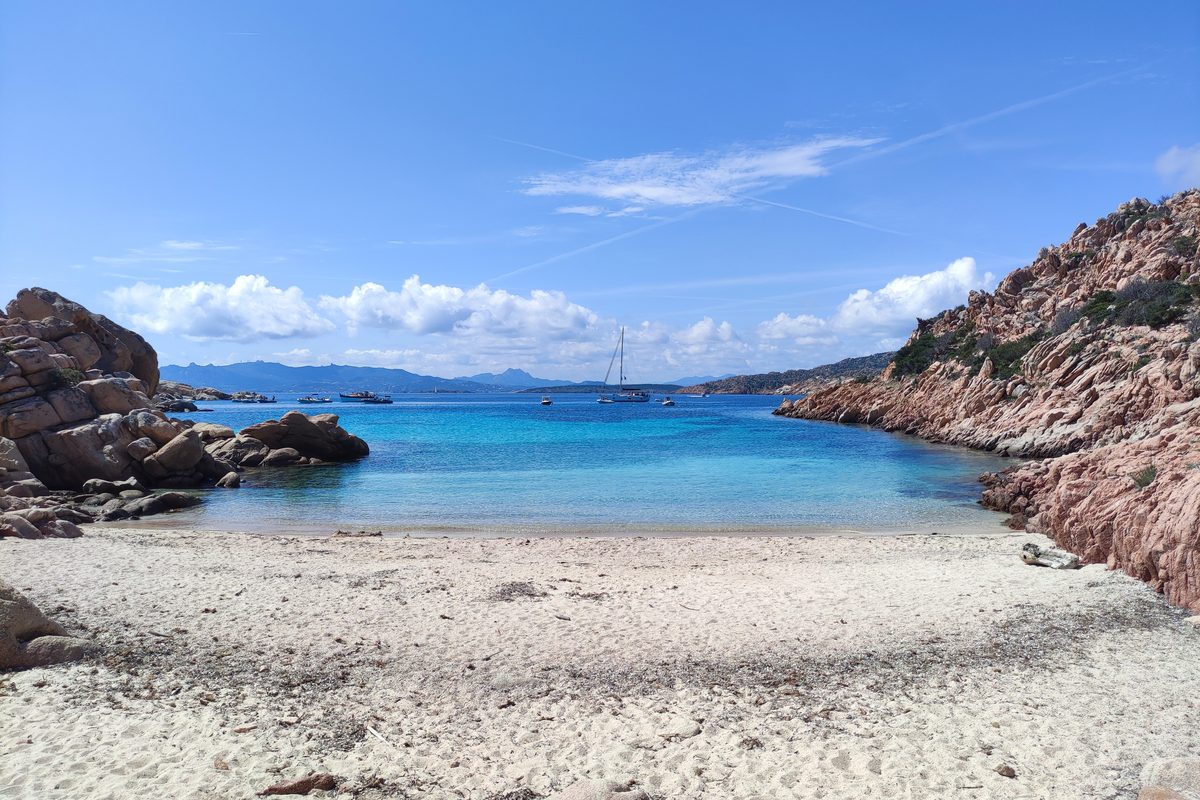

Nicknamed Tahiti for its turquoise water and smooth pink-grey granite, this cove on the island of Caprera (linked to La Maddalena by a short road bridge) sits inside the La Maddalena Archipelago National Park.
Visiting tip: You can’t go on your own: in 2026 visits are by guided hike only, with an authorized park guide, in groups of up to 15. Book a guide well ahead (permits are requested 7 to 30 days in advance) and expect a small park fee on top of the tour price.
Before you go
- Book the famous beaches early: La Pelosa and Cala Goloritzè have daily caps and online booking in season, and Cala Coticcio needs a licensed guide. In July and August, spots go fast.
- Rent a car: Sardinia is big and public transport between these places is limited. Distances look short on a map, but mountain roads are slow.
- Check the sea: Wind can cancel boat trips around La Maddalena and close Neptune’s Grotto with little notice, so build a spare day into your plans.
- Trails and boats: Hikes like Goloritzè are steep and hot, and some coves are far from the nearest hospital. US health plans often cover little or nothing abroad, so look for travel insurance with emergency medical and evacuation coverage. Here’s what to look for in travel insurance.
Ready to compare?
Compare plans with strong medical coverage and trip protection for your Sardinia trip.
I get paid if you buy through this link. The price you pay is the same.
Photos from Wikimedia Commons, credited under each image; the top photo of Budelli is by Luca Giudicatti (trevis_lu), Wikimedia Commons, CC BY-SA 2.0, cropped. This guide is general information, not travel, legal or insurance advice. Booking rules, fees, opening hours and access change, so check official sources before you go. Updated October 2026.
