Know what the Drake Passage means for your trip
Most Antarctica cruises leave from Ushuaia at the southern tip of Argentina and cross the Drake Passage, roughly 500 miles of open ocean. That’s usually about two days at sea each way, and the water can be some of the roughest anywhere.
Once you’re past the coast, there are no hospitals nearby. A serious illness or injury on board or on the ice can mean a long, expensive trip back to a hospital, which is why evacuation coverage matters so much here.
Check what your expedition operator requires
Expedition cruise lines often require emergency medical insurance as a condition of sailing, and some spell out that evacuation costs are the passenger’s responsibility. Some also set a minimum amount of medical or evacuation coverage.
Read your operator’s terms before you buy a plan, and keep proof of coverage handy, since you may be asked for it before boarding.
Look closely at the medical evacuation limit
Medical evacuation is the coverage that pays to get you from the ship or a remote landing to a hospital that can treat you, and sometimes home. On a remote trip, it can be the most important number on the policy.
Check the evacuation limit, whether emergency medical coverage is primary or secondary, and whether the plan covers travel to polar regions at all. Your US health plan may cover little or nothing abroad, and Original Medicare generally doesn’t cover care outside the US.
Protect a big prepaid trip
Antarctica cruises are usually booked far in advance and paid for in large deposits. Trip cancellation and trip interruption coverage can help if you or a family member gets sick before or during the trip, for the covered reasons the plan lists.
Many travelers fly into Ushuaia a day or two early so a delayed flight doesn’t make them miss the ship. Check the plan’s missed connection and trip delay benefits too, and its baggage delay benefit, since you’ll need your cold-weather gear.
Buy soon after your deposit and compare
Buying soon after you pay your deposit usually gives you the most options, and some benefits are only available if you buy within a set number of days of your first payment. When you compare, look at:
- Emergency medical and medical evacuation limits
- Whether polar or expedition travel is covered or excluded
- Trip cancellation and interruption limits that match your trip cost
- Trip delay, missed connection and baggage delay benefits
Ready to compare?
See plans side by side and pick the one that fits your Antarctica trip.
I get paid if you buy through this link. The price you pay is the same.
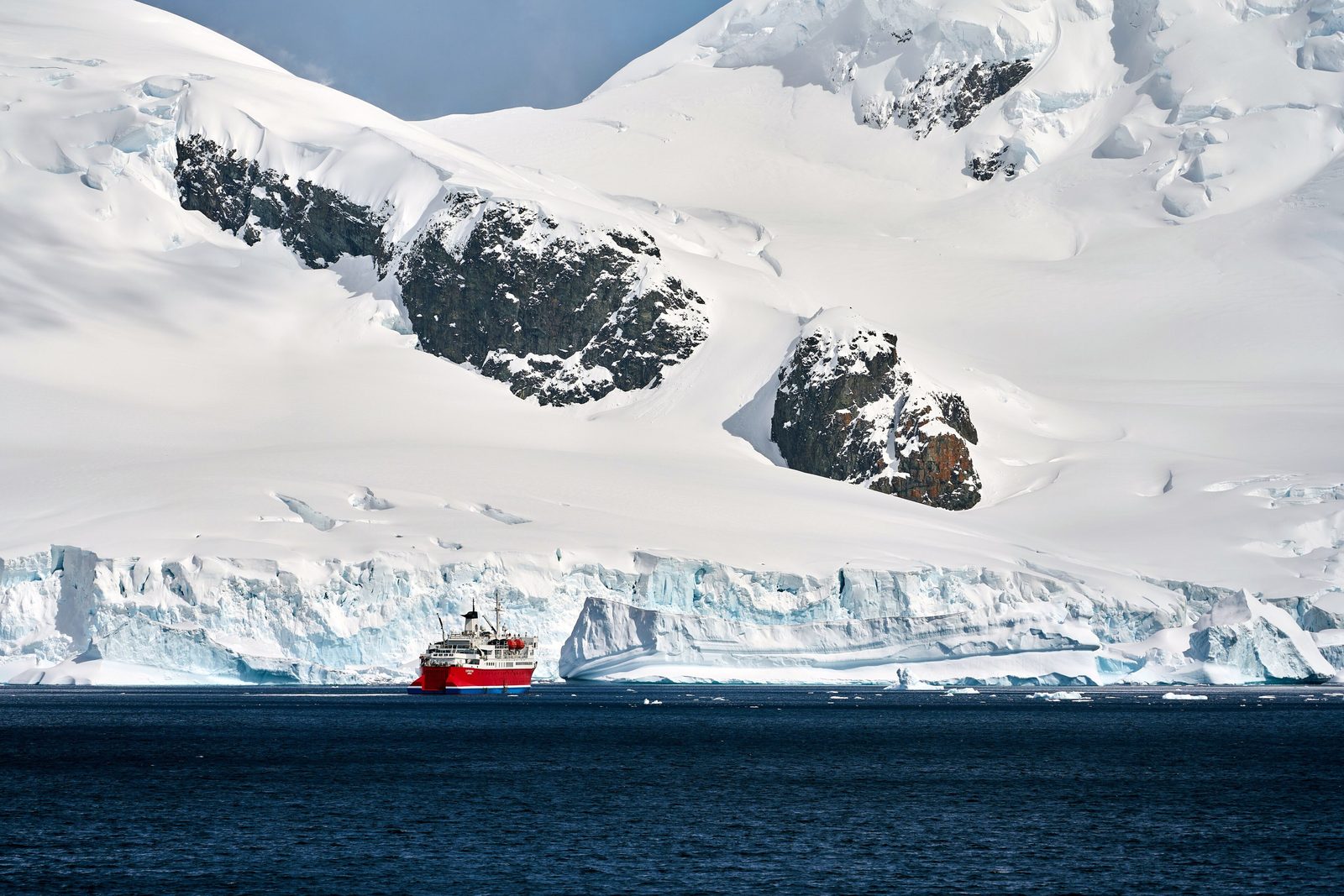
Photo: “Cruise vessel Expedition off Cuverville Island” by Virtual-Pano, Wikimedia Commons, CC BY-SA 4.0, cropped and resized. This guide is general information, not insurance, medical or legal advice. Coverage, limits and exclusions vary by plan and by state, so read the policy before you buy. Updated October 2026.
